What does a damp proofing cost in London?
In London: £1,900 to £5,600 at mid-range, including 20% VAT, against £1,500 to £4,500 nationally. Budget starts around £1,300, premium runs to £9,000. Set your finish level and region below, no email required.
What the sources say
Checkatrade, Damp Proofing Cost: £1,000 to £5,000
injection/chemical treatments, tables state + VAT; typical whole-property average around £5,000 including repair work. Prices stated excluding VAT. Guide dated 2026-04, opened and checked 2026-08-26.
MyJobQuote, Damp Proof Course Cost: £1,250
average damp proofing job; chemical DPC injection £60-90 per linear metre. The guide does not state its VAT treatment. Guide dated 2026-07, opened and checked 2026-08-26.
The national range at the top of this page is chosen inside the spread these guides publish, converted to include 20% VAT where a guide states its prices exclude it. Where guides disagree, both figures stay visible above so you can judge for yourself.
Damp proofing, mid-range, London
£1,900 to £5,600
Including 20% VAT. An indication, not a quote: prices vary per trade and property.
Take it further
Nothing here is saved unless you ask. With a free account you can keep this estimate and come back to it later.
Prices include 20% VAT. New builds and some energy-saving works can qualify for 0% or reduced VAT; ask your installer.
On top of whatever you agree with a builder, set aside a contingency of 15 to 20% for the unforeseen: this work opens up the existing fabric, where damp, rotten timber or outdated wiring only show once things are apart. How much contingency you need explains the guidance.
What drives the price
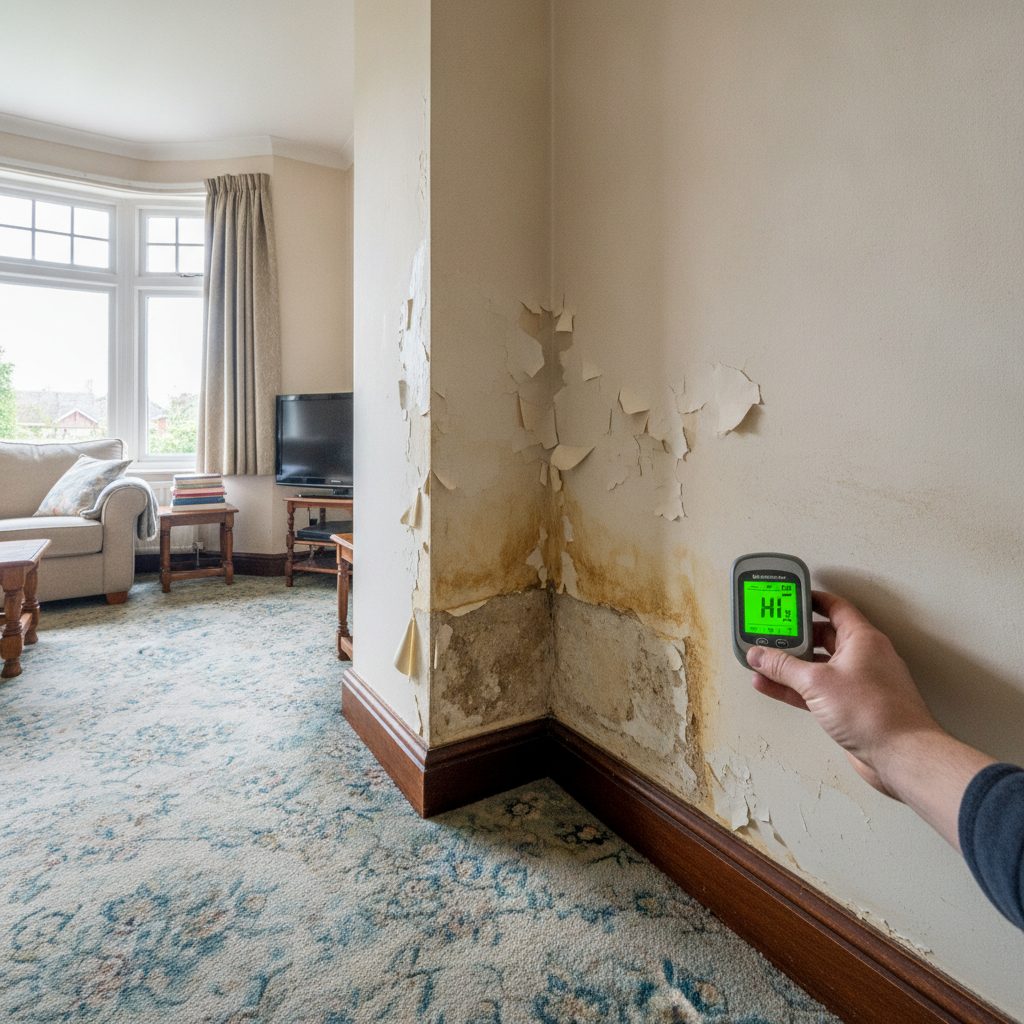
- The diagnosis: rising damp, penetrating damp and condensation need different fixes.
- The treatment: an injected course is the middle of the range; tanking is the top.
- Making good: replastering after treatment is often half the bill.
- The cause: gutters, ground levels and ventilation fix more damp than chemicals do.
All figures come from the same validated 2026 price data as the calculator above, built on the sources listed higher up on this page, each opened and checked on 26 August 2026 (see how we price), so this page and your estimate can never disagree. Outside London? See the national guide, or compare every region in the regional overview. How to pay for it (remortgage, loan or savings) is its own guide: paying for a renovation. Planning an extension or loft? Check permitted development first.
Frequently asked questions
Do I really need damp proofing, or better ventilation?
Get an independent survey first: a large share of "rising damp" turns out to be condensation or a leak, solved by ventilation, gutters or pointing at a fraction of the price. Be wary of free surveys from firms selling the treatment.
What should I do first?
Three steps, in this order. First, turn the guide range above into your own number: the calculator on this page adjusts for size, finish level and region in under a minute, free and without email. Second, if the layout matters, bathrooms and kitchens especially, draw the room to scale in the free planner; moving plumbing is usually the biggest hidden cost, and you want to know that before anyone quotes. Third, get at least three itemised quotes and compare them line by line against your range before you commit; the quote check on this site gives you an honest verdict per quote.
Do these prices include VAT?
Yes, all ranges include 20% VAT. New builds and some energy-saving works can qualify for 0% or reduced VAT; ask your installer whether your project applies.
Why is London so much more expensive?
Labour is the driver: London trades charge roughly 25% above the national average, and parking, access and waste logistics add friction. Nationally this project runs £1,500 to £4,500; the calculator switches region in one click.
How accurate is this range?
It is a guide range from national 2026 cost guides, adjusted for finish level and region. Real quotes vary per trade, property and specification; treat it as a starting point, budget 10 to 15 percent contingency, and always get at least three itemised quotes.